
A Comprehensive Guide to I-9 and Background Screening for Employers
As an employer, ensuring compliance with employment verification and background screening processes is crucial. These steps not only help you build a trustworthy team but also protect your business from potential legal issues. In this guide, we'll explore the intricacies of I-9 forms and background screening to help you navigate these essential processes effectively.
Understanding the I-9 Form
The I-9 form is a critical document for verifying the identity and employment authorization of individuals hired in the United States. It is required by law for all employers, and failure to comply can result in significant penalties. The I-9 process involves three key steps:
- Employee Completion: Employees must complete Section 1 of the I-9 form by their first day of work.
- Employer Verification: Employers must examine the employee’s documents and complete Section 2 within three business days of the employee’s start date.
- Retention and Storage: Employers must retain the I-9 forms for a specific period and make them available for inspection if requested.
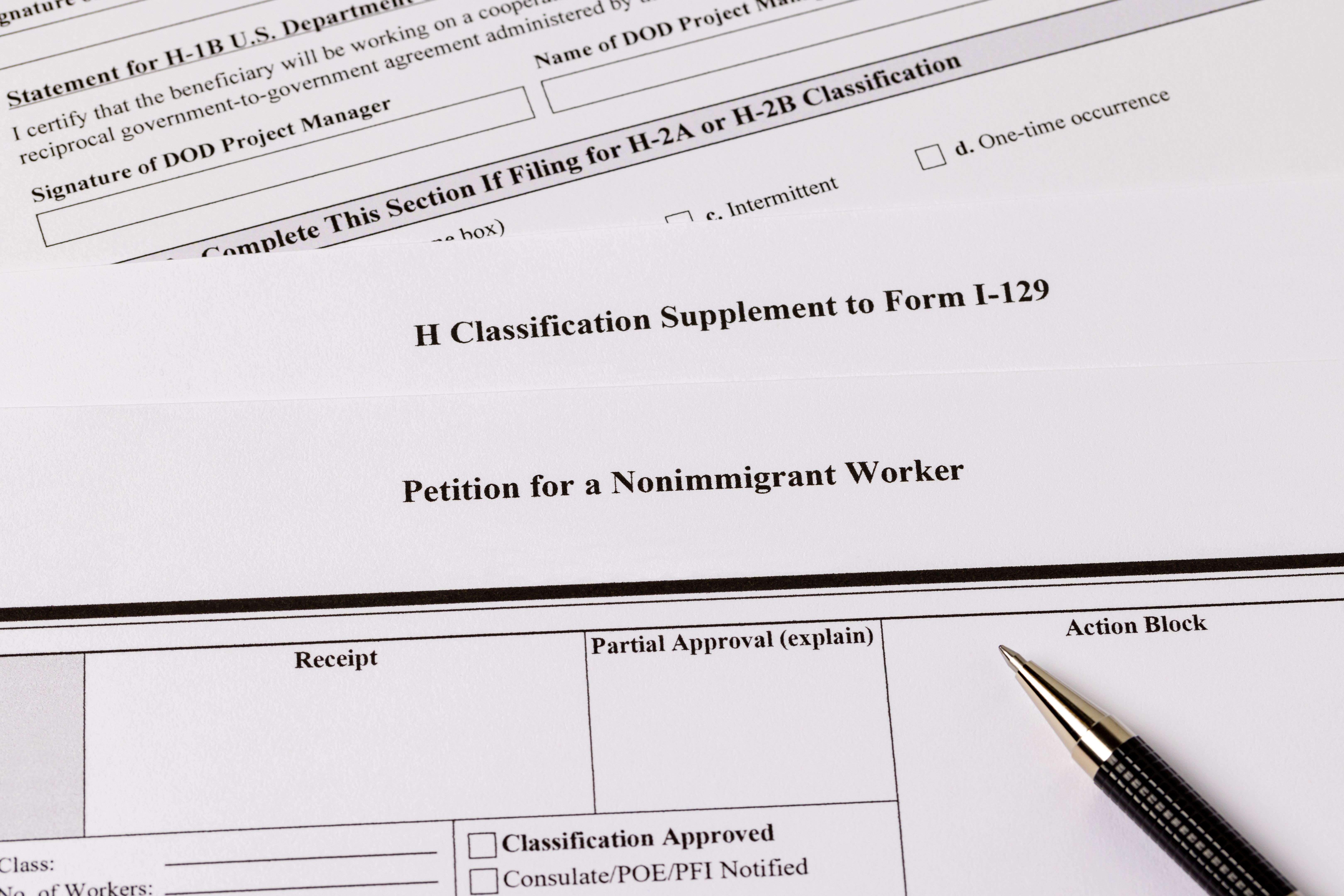
Common I-9 Form Mistakes
To avoid potential fines and penalties, it's essential to steer clear of common mistakes associated with I-9 forms. Some of these include:
- Missing signatures from either the employee or employer.
- Using incorrect or outdated versions of the I-9 form.
- Failure to re-verify expired work authorization documents.
Regular training and audits can help ensure your team understands and complies with I-9 requirements.
The Importance of Background Screening
Background screening is a vital component of the hiring process, providing insights into a candidate's history and qualifications. This step helps employers make informed decisions and maintain a safe workplace environment. Background checks typically include:
- Criminal history checks
- Employment verification
- Educational history verification
- Credit history checks

Implementing a Background Screening Program
When implementing a background screening program, it's important to establish clear policies and procedures. Consider the following steps:
- Define Your Screening Needs: Determine which checks are necessary for specific job roles.
- Choose a Reliable Screening Provider: Partner with a reputable firm that complies with legal standards.
- Ensure Compliance: Adhere to federal and state laws, such as the Fair Credit Reporting Act (FCRA).
Consistent application of these steps can enhance the effectiveness of your screening program.
Legal Considerations for Employers
Employers must be aware of the legal landscape surrounding I-9 forms and background screening. Key considerations include:
- Following anti-discrimination laws and avoiding bias during the verification process.
- Providing clear communication and obtaining consent from candidates for background checks.
- Staying informed about changes in employment laws and regulations.

By prioritizing compliance and transparency, employers can effectively manage these crucial aspects of the hiring process.