
Common Misconceptions About DNA Testing Debunked
Understanding DNA Testing
DNA testing has become increasingly popular, offering insights into ancestry, health, and genetic traits. However, with its rising popularity, several misconceptions have emerged. In this post, we'll debunk some of the most common myths surrounding DNA testing.
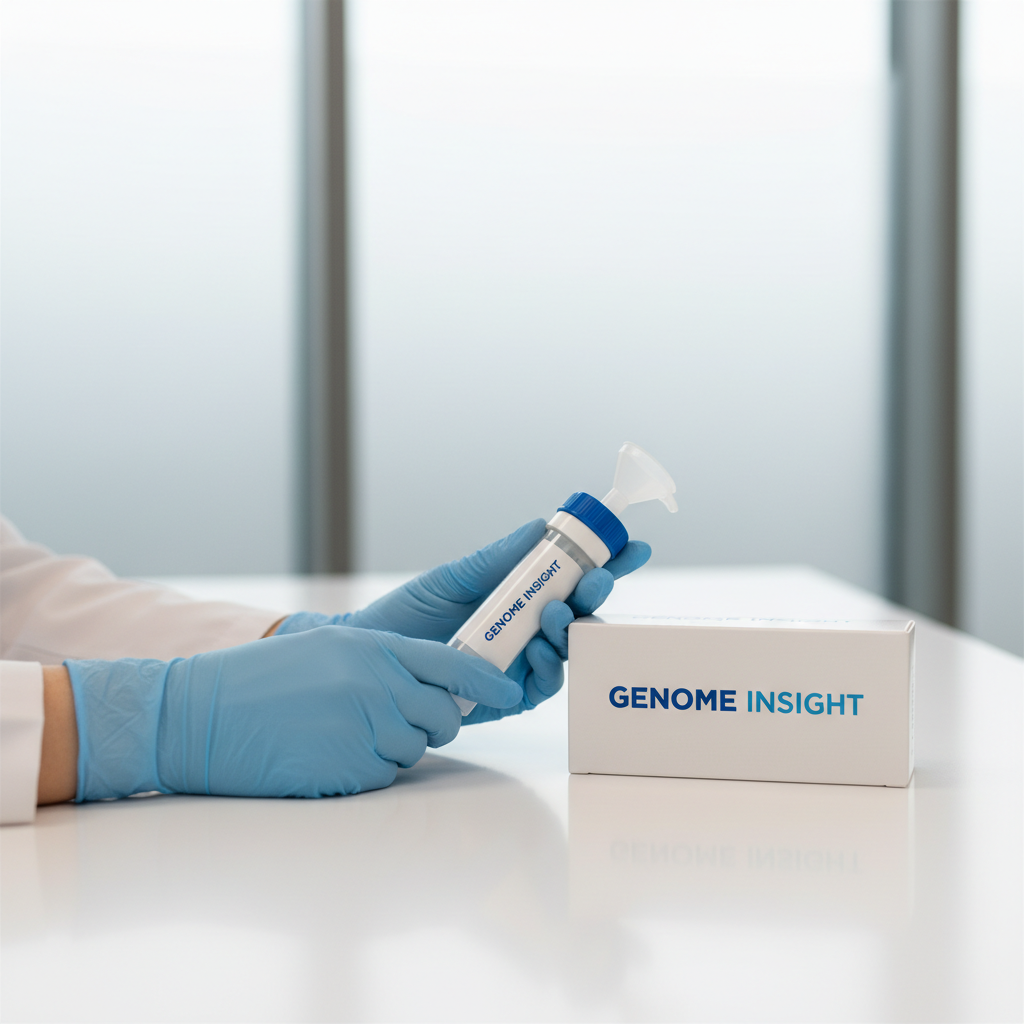
Myth 1: DNA Tests Provide 100% Accurate Results
One of the biggest misconceptions is that DNA tests offer infallible results. While DNA testing is highly accurate, it is not 100% foolproof. Factors such as sample contamination or laboratory errors can affect results. Most reputable companies will provide an accuracy rate, usually over 99%.
It's important to understand that DNA tests are based on probabilities and statistical models. This means that while the results are reliable, they are not absolute. Users should consider these probabilities when interpreting their results.
Myth 2: DNA Tests Can Predict All Diseases
Some people believe that a DNA test can predict every potential disease they might develop. However, DNA tests typically assess the risk for certain genetic conditions, not provide a definitive diagnosis. Lifestyle, environmental factors, and family history also play significant roles in disease development.

While DNA tests can inform you about your genetic predisposition, it's crucial to consult healthcare professionals for a comprehensive understanding of your health risks.
Myth 3: All DNA Tests Are the Same
Not all DNA tests are created equal. There are various types of DNA tests, each serving different purposes. Some tests focus on ancestry, revealing ethnic backgrounds and familial connections, while others concentrate on health-related genetic markers.
Understanding the specific focus of a DNA test is essential before purchasing. Make sure to choose a test that aligns with the information you seek, whether it's genealogical data or health insights.
Myth 4: Sharing DNA Results Is Risk-Free
Privacy concerns are a significant issue in the world of DNA testing. Many people mistakenly believe that sharing their DNA results with companies or online platforms poses no risk. However, once your genetic data is shared, it can be difficult to control how it's used.

It's vital to read and understand the privacy policies of DNA testing companies. Being informed about how your data will be used and stored can help protect your genetic information.
Conclusion
DNA testing is a powerful tool that provides valuable insights into our genetic makeup. By debunking these common misconceptions, individuals can make informed decisions and better understand the capabilities and limitations of DNA testing. Always approach genetic testing with a critical eye and consult professionals when necessary.