
Guide to Pre-Employment Screening: What Employers Need to Know
Understanding Pre-Employment Screening
Pre-employment screening is a crucial step in the hiring process that helps employers verify the qualifications and background of potential employees. It ensures that candidates are a good fit for the company and helps mitigate risks associated with hiring. By conducting thorough screenings, employers can make informed decisions and protect their organizations from potential liabilities.
Types of Pre-Employment Screening
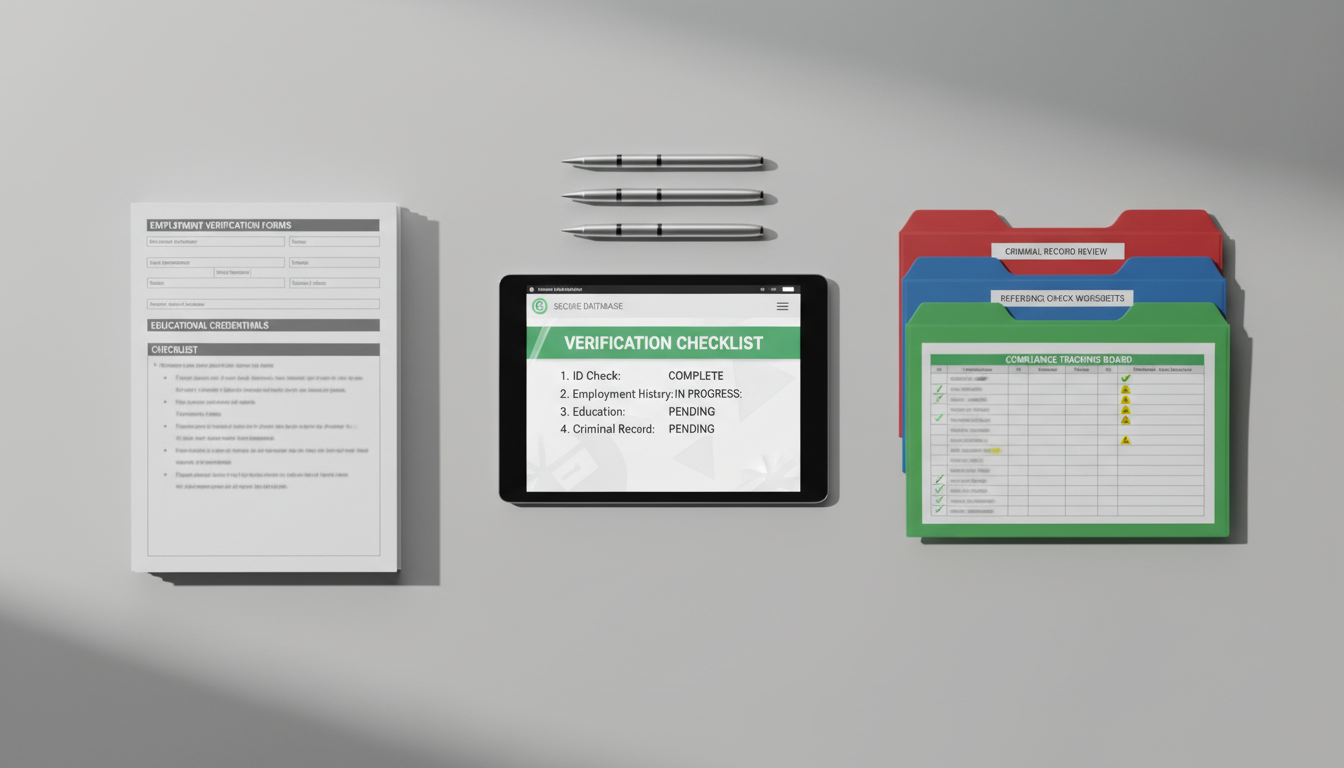
There are various types of pre-employment screenings available, each serving a specific purpose. Some of the most common include:
- Background Checks: These checks verify criminal records, employment history, and education credentials.
- Drug Testing: Aimed at ensuring a drug-free workplace, these tests screen for illegal substance use.
- Credit Checks: Often used for positions involving financial responsibilities, these checks assess a candidate's financial history.
The Legal Framework
Employers must navigate a complex legal landscape when conducting pre-employment screenings. Laws and regulations such as the Fair Credit Reporting Act (FCRA) govern how screenings should be conducted, ensuring that candidates' rights are protected. It is essential for employers to stay informed about these laws to avoid legal complications.

Benefits of Pre-Employment Screening
Incorporating pre-employment screening into the hiring process offers several benefits:
- Enhanced Safety: Identifying potential risks associated with a candidate’s background can prevent workplace incidents.
- Improved Quality of Hire: By verifying qualifications, employers can ensure they are hiring competent individuals.
- Reduced Employee Turnover: Proper screening helps in selecting candidates who are more likely to stay with the company long-term.
Challenges in Pre-Employment Screening
Despite its benefits, pre-employment screening can present challenges. Employers need to balance thoroughness with respect for candidates' privacy. Additionally, the interpretation of screening results requires careful consideration to avoid bias and discrimination.

Best Practices for Employers
To effectively implement pre-employment screening, employers should follow these best practices:
- Stay Informed: Regularly update screening policies in line with legal requirements.
- Communicate Clearly: Inform candidates about the screening process and obtain their consent.
- Use Reliable Vendors: Partner with reputable screening providers to ensure accuracy and compliance.
Conclusion
Pre-employment screening is a vital component of the hiring process that aids in building a safe and productive workforce. By understanding the types, benefits, and legal considerations, employers can create a robust screening strategy that aligns with their organizational goals and values. Implementing best practices will not only enhance the quality of hires but also contribute to a harmonious workplace environment.