
Implementing a Random Drug Test for a Drug-Free Workplace Policy
Maintaining a drug-free workplace is essential for ensuring safety, productivity, and a positive working environment. Implementing a random drug testing policy can be an effective strategy to achieve this goal. It not only deters substance abuse but also demonstrates a company’s commitment to employee well-being.
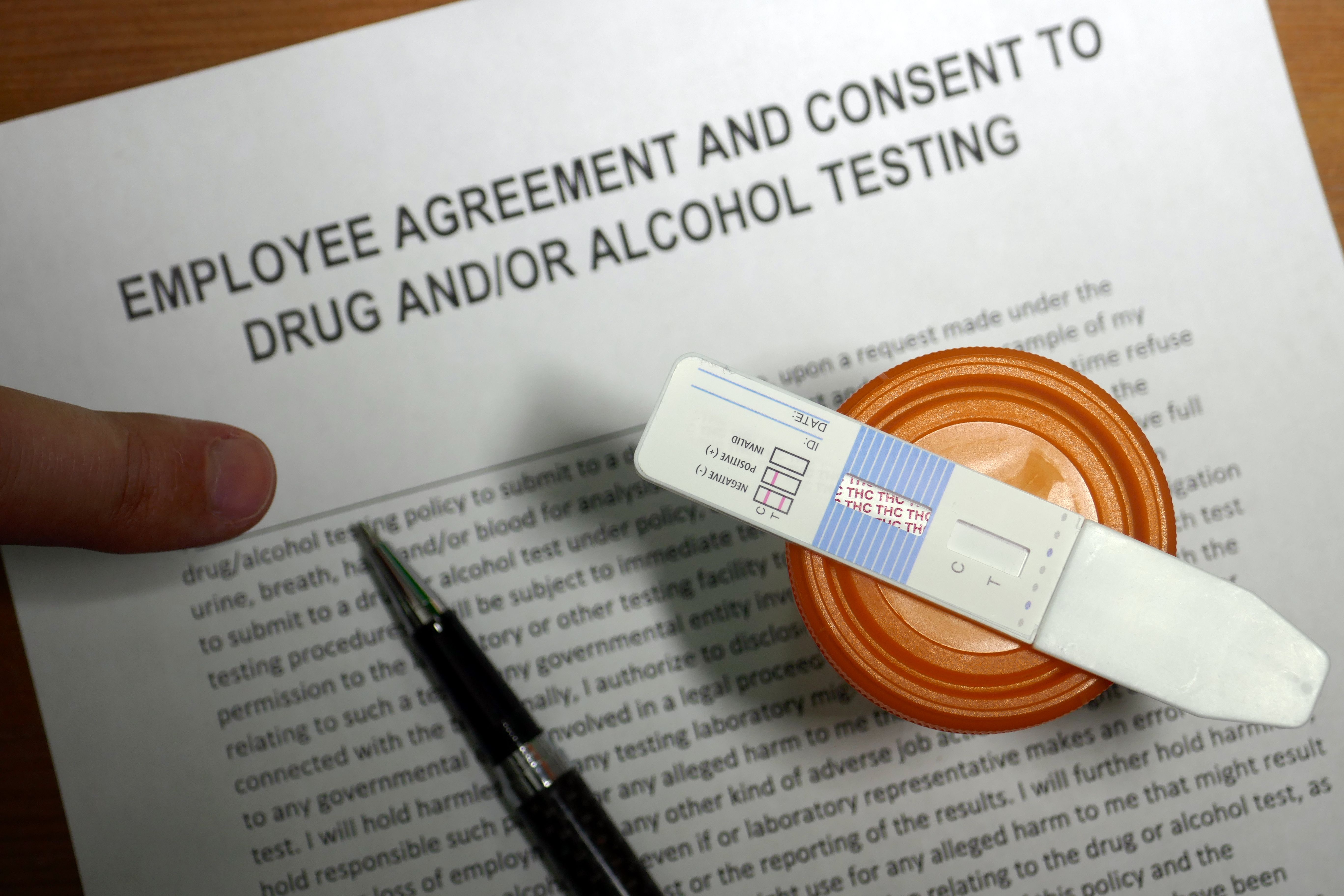
Understanding the Importance of Random Drug Testing
Random drug testing is a proactive measure that helps in identifying employees who may be using illegal substances or misusing prescription drugs. By implementing these tests, companies can prevent accidents, reduce absenteeism, and lower healthcare costs. Moreover, it sends a clear message that the business prioritizes a safe and healthy working environment.
Random testing differs from other drug tests as it is unannounced and unpredictable. This unpredictability acts as a strong deterrent, encouraging employees to remain drug-free. It is crucial for industries that require high safety standards, such as transportation and construction.
Developing a Comprehensive Policy
Before implementing random drug testing, it is important to develop a comprehensive policy. This policy should outline the purpose, procedures, and consequences of the testing process. Here are some key elements to include:
- Objective: Clearly define why the policy is being implemented.
- Testing Procedures: Specify how and when tests will be conducted.
- Confidentiality: Ensure that test results are handled with privacy and discretion.
- Consequences: Outline the consequences for positive test results.

Legal Considerations and Compliance
When implementing a random drug testing policy, it is essential to comply with legal standards and regulations. This includes understanding federal and state laws that pertain to drug testing. Consulting with legal experts can help ensure that the policy is fair, non-discriminatory, and legally sound.
Additionally, employers must consider employee rights. Transparency about the policy and its implementation can help build trust and cooperation among staff. Providing education and support for substance abuse issues can further enhance the effectiveness of the program.
Implementing the Testing Process
Once the policy is in place, the next step is to implement the testing process. This involves selecting a reliable third-party testing company to conduct the tests. The testing should be conducted in a manner that is consistent, fair, and respectful of all employees.
- Random Selection: Use a computerized system to ensure unbiased selection of employees.
- Test Administration: Follow standardized procedures to collect and analyze samples.
- Result Management: Handle positive results with confidentiality and appropriate follow-up actions.

Communicating the Policy to Employees
Effective communication is key to the successful implementation of a drug-free workplace policy. Informing employees about the policy details, the importance of drug testing, and the benefits of a drug-free environment can foster a supportive atmosphere.
Conducting training sessions and providing informational materials can help employees understand their role in maintaining workplace safety. Encouraging open dialogue and feedback can also improve acceptance and adherence to the policy.
In conclusion, implementing a random drug test policy is a vital step towards ensuring a safe and productive workplace. By understanding its importance, developing a comprehensive policy, ensuring legal compliance, and effectively communicating with employees, companies can create a healthier work environment for everyone.